

Orphaned Brown Bear Cubs Find New Home at the Minnesota Zoo

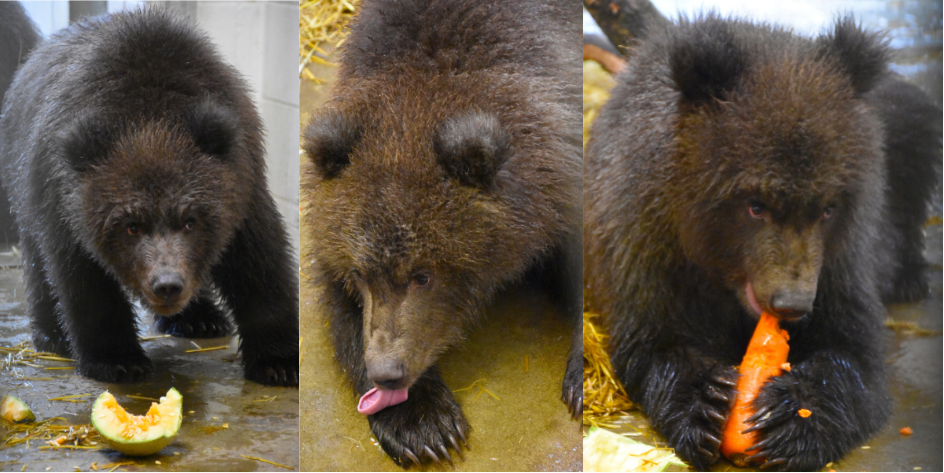
Brown bear cubs Brooks, Bristol and Dillingham
Three rescued cubs from Alaska are settling into their new home ahead of a spring 2027 public debut.
APPLE VALLEY, MN, UNITED STATES, October 27, 2026 /EINPresswire.com/ -- Three orphaned brown bear cubs have found their forever home at the Minnesota Zoo! The two males and one female, approximately nine months old, arrived in October and are settling in behind the scenes, where they will continue growing and acclimating before making their public debut in spring 2027.The siblings were discovered in July near King Salmon, Alaska, after being observed without their mother for nearly a week. Unable to survive on their own, the cubs were rescued by the Alaska Department of Fish and Game and transferred to the Alaska Zoo in August. Although their mother was never located, one cub was treated for minor injuries consistent with a bear attack, suggesting the family may have encountered an adult male bear.
The Minnesota Zoo was selected as their permanent home thanks to its nearly two decades of experience caring for brown bears, expansive natural habitat and longstanding partnership with Alaska wildlife officials.
Meet the New Bears: Brooks, Bristol and Dillingham
Each cub has a distinct personality, and their names celebrate the southern Alaska region where they were rescued.
• Brooks (male): The smallest but most outgoing of the trio. Brave and curious, he's often the first to investigate something new. Named for the Brooks River in Katmai National Park and Preserve, famous for its wild brown bears.
• Bristol (female): The sassy sister who loves chasing her brothers. She has a lighter face, reddish-tinged fur and a habit of eating while sitting upright or stretched out Superman-style. Named for Bristol Bay.
• Dillingham (male): The largest sibling, with a more serious demeanor. This big brother keeps a watchful eye on the others. Named for the fishing community of Dillingham on Bristol Bay.
A New Generation of Brown Bears
The cubs' arrival marks a meaningful new chapter for the Minnesota Zoo. In 2008, the Zoo welcomed another trio of orphaned brown bears from Alaska — Sadie, Haines and Kenai — who became the first residents of Russia's Grizzly Coast.
“Nearly 20 years ago, we welcomed another trio of orphaned brown bears from Alaska, and it's incredibly special to begin that journey again,” said Diana Weinhardt, Curator of Northern Trail at the Minnesota Zoo. “These cubs have a bright future ahead of them, and we look forward to watching them grow while inspiring a new generation of guests to appreciate and protect bears in the wild.”
Like their predecessors, the young cubs will serve as ambassadors for their species, helping guests learn about brown bears and the importance of protecting their natural habitats.
What Happens Next?
The cubs are currently adjusting well to their new surroundings and caregivers at the Minnesota Zoo's Animal Hospital. They are enthusiastic eaters, enjoying fruits, vegetables and fish — including a pallet of salmon sent as a parting gift from the Alaska Zoo!
• Fall and winter 2026: The cubs will remain behind the scenes, growing, playing and building relationships with their caregivers. Unlike older bears, the young cubs will remain active throughout winter.
• Spring 2027: The trio is expected to make its public debut at Russia's Grizzly Coast, alternating time in the habitat with Sadie, the Zoo's 21-year-old resident brown bear.
• Sadie's winter plans: Sadie will naturally enter a period of reduced activity called torpor. Guests may still spot her enjoying fresh air and exercise in her outdoor habitat when she chooses.
Brown Bear Facts
• Species: Alaska Peninsula brown bear (Ursus arctos gyas), native to coastal southern Alaska.
• Age: Brooks, Bristol and Dillingham are approximately nine months old; likely born in January 2026.
• Diet: Omnivores that eat salmon, berries, grasses, roots, insects and other foods.
• Size: Among North America's largest bears; adult males can weigh 500–900 pounds or more, while females typically weigh 250–600 pounds.
• Conservation connection: The Zoo has a longstanding history of providing homes for rescued Alaska wildlife that cannot return to the wild, including bears, wolves, a red fox and a pine marten.
Follow Their Journey
While guests will have to wait until spring to meet Brooks, Bristol and Dillingham in person, the Minnesota Zoo will share updates on their growth, adventures and playful antics throughout the winter. Follow @mnzoo on Facebook, Instagram and YouTube, or subscribe to the Zoo's e-newsletter for updates.
Want to help make more wildlife success stories possible? Support the Minnesota Zoo Foundation, helping provide exceptional animal care, connect people with nature and save wildlife. Learn more at mnzoo.org.
Diana Hein
Minnesota Zoo
+1 952-681-9199
diana.hein@state.mn.us
Visit us on social media:
LinkedIn
Instagram
Facebook
YouTube
Meet the Minnesota Zoo's three new brown bear cubs!
Legal Disclaimer:
EIN Presswire provides this news content "as is" without warranty of any kind. We do not accept any responsibility or liability for the accuracy, content, images, videos, licenses, completeness, legality, or reliability of the information contained in this article. If you have any complaints or copyright issues related to this article, kindly contact the author above.
